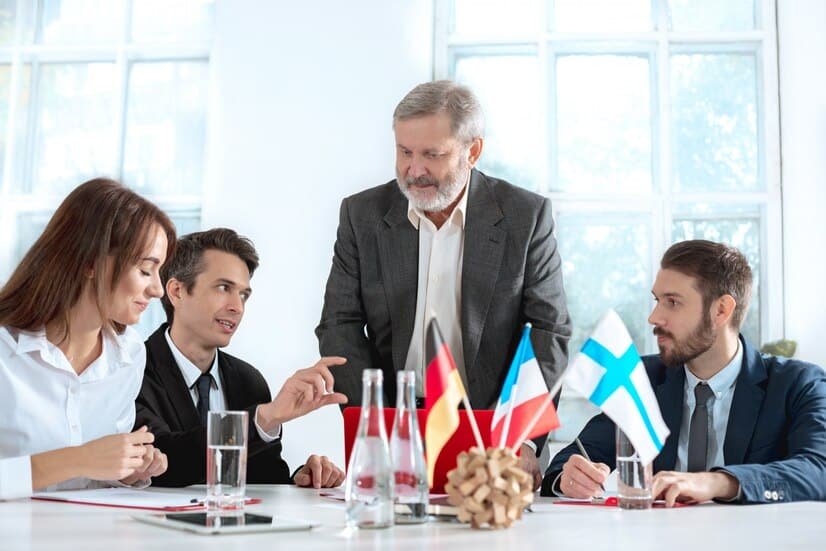
Organizational politics—those subtle, often unspoken maneuvers for power, influence, and resources—are as old as workplaces themselves. Yet, in recent years, employees and leaders alike have noticed a surge in these behaviors, with cliques forming, alliances shifting, and gatekeepers wielding more influence than ever. Why is this happening? What’s driving the rise of organizational politics in modern workplaces? In this article, we’ll explore the root causes, backed by research and real-world examples, to uncover why workplace politics are becoming more prevalent and how you can navigate this complex terrain.
What Is Organizational Politics?
Organizational politics refers to the self-serving behaviors employees and leaders use to gain power, influence decisions, or achieve personal goals within a company. These can range from harmless networking to toxic manipulation, like spreading rumors or sabotaging colleagues. While politics can sometimes drive collaboration and innovation, unchecked political behavior often leads to stress, mistrust, and reduced productivity. Recent studies show that 70% of employees have experienced workplace politics, with many reporting it as a source of job dissatisfaction.
The Growing Complexity of Organizations
Increasing Organizational Scale and Structure
Modern organizations are larger and more intricate than ever before. With global operations, cross-functional teams, and matrixed reporting structures, the complexity of decision-making has skyrocketed. This creates fertile ground for politics, as employees vie for visibility and influence in a crowded hierarchy. A 2023 study highlights how complex organizations foster competing interests, leading to political maneuvering as individuals seek to secure resources or promotions.
Ambiguity in Roles and Responsibilities
Unclear job roles are a breeding ground for political behavior. When responsibilities overlap or expectations are vague, employees compete to define their turf, often resorting to informal influence tactics. Research from Staffbase found that ambiguous role definitions significantly correlate with increased political behavior, as employees scramble to assert their authority or protect their domain.
The Rise of the Gig Economy
A Fluid Workforce Fuels Competition
The gig economy has transformed workplaces, introducing a transient workforce that moves between projects and organizations. This fluidity disrupts relationship-building and trust, creating an environment where employees may prioritize short-term gains over long-term collaboration. According to a 2023 analysis, this shift encourages political behavior as workers compete for recognition in a less stable setting.
Freelancers and Contractors in the Mix
With more freelancers and contractors integrated into teams, traditional hierarchies blur. These workers, often excluded from long-term career paths, may engage in political tactics to secure future gigs or stand out to employers. This dynamic adds another layer of competition, intensifying political undercurrents.
Globalization and Cultural Diversity
Diverse Teams, Diverse Agendas
Globalization has brought together employees from varied cultural backgrounds, which can enrich teams but also spark misunderstandings. Differing communication styles or cultural norms can lead to unintended power struggles or cliques, as employees align with those who share their perspectives. A 2023 report notes that global workplaces often see increased politics due to these cultural frictions.
Cross-Border Competition for Resources
In global organizations, teams across different regions compete for budgets, projects, or leadership attention. This competition can manifest as political behavior, with departments lobbying for their share of limited resources. The result is a heightened political climate where influence becomes a currency.
The Role of Technology and Remote Work
Digital Communication and Misinterpretation
The shift to remote and hybrid work has reduced face-to-face interactions, making it harder to build trust. Digital communication—emails, Slack messages, or Zoom calls—can be misinterpreted, leading to assumptions of political maneuvering. For example, a colleague’s curt email might be seen as a power play rather than a rushed response, fueling mistrust.
Social Media and Internal Branding
Employees increasingly use internal platforms like Microsoft Teams or external ones like LinkedIn to promote their achievements. While self-promotion can be positive, it often tips into political behavior when individuals prioritize personal branding over team goals. A 2024 study notes that social media amplifies visibility-driven politics in workplaces.
Personal Ambitions and Career Pressures
The Drive for Career Advancement
In today’s competitive job market, employees face immense pressure to stand out. Personal ambitions drive political behavior, as individuals seek to gain favor with leadership or secure promotions. Research by Vigoda-Gadot and Drory found that organizational politics often stem from employees’ desires to advance their careers, sometimes at the expense of colleagues.
The Fear of Being Left Behind
Economic uncertainty and job insecurity amplify political behavior. Employees may feel compelled to engage in politics to protect their positions, especially in industries facing layoffs or restructuring. This fear-driven mindset can lead to cliques, gatekeeping, or self-promotion, as workers strive to stay relevant.
The Impact of Leadership and Culture
Leaders as Political Catalysts
Leadership sets the tone for workplace culture. When leaders reward political behavior—favoring loyalists or overlooking manipulation—it signals that politics are a path to success. A 2021 Harvard Business Review article notes that leaders who model collaborative behavior and transparency can reduce toxic politics, while those who play favorites exacerbate it.
Lack of Transparent Communication
Poor communication from leadership creates a vacuum where politics thrive. When employees lack clarity on organizational goals or decision-making processes, they turn to informal networks for information, fostering gossip and alliances. Tools like Engagedly can help by promoting transparent communication and reducing reliance on informal power structures.
The Psychological Toll of Politics
Stress and Burnout
Organizational politics can take a heavy toll on employees. A 2019 study found that perceived politics increase stress and burnout, as employees feel manipulated or marginalized. This strain reduces engagement and productivity, creating a vicious cycle where stressed employees resort to politics to regain control.
Erosion of Trust and Morale
When politics dominate, trust erodes. Employees may become cynical, believing that success depends on who you know rather than what you do. A 2023 Glassdoor survey found that employees in highly political workplaces are more likely to be dissatisfied and seek new jobs.
Comparing Political Behaviors: Positive vs. Negative
| Behavior | Positive Impact | Negative Impact |
|---|---|---|
| Networking | Builds relationships and fosters collaboration | Can exclude others, creating cliques |
| Self-Promotion | Highlights contributions and boosts visibility | May overshadow team efforts or seem boastful |
| Gatekeeping | Prioritizes resources for critical projects | Limits access to information, fostering mistrust |
| Alliance-Building | Aligns teams toward common goals | Can lead to factionalism and internal conflict |
Pros and Cons of Organizational Politics
Pros:
- Encourages strategic thinking and relationship-building.
- Can motivate employees to compete for recognition.
- Facilitates innovation when used to advocate for new ideas.
Cons:
- Increases stress and reduces morale.
- Leads to mistrust and poor collaboration.
- Diverts focus from organizational goals to personal agendas.
People Also Ask (PAA)
What causes organizational politics to grow?
Organizational politics grow due to complex organizational structures, ambiguous roles, the gig economy, globalization, and personal ambitions. These factors create competition for resources and influence, driving political behavior.
How does organizational politics affect employees?
Politics can reduce morale, increase stress, and lead to burnout. Employees may feel marginalized or cynical, impacting productivity and engagement. However, positive politics can enhance motivation and collaboration.
Can organizational politics be positive?
Yes, when used ethically, politics can foster collaboration, advocate for innovation, and align teams with organizational goals. The key is balancing influence with integrity.
How can leaders reduce toxic politics?
Leaders can promote transparency, model collaborative behavior, and provide clear feedback. Tools like Engagedly or regular pulse surveys can help address issues early and foster open communication.
Navigating Organizational Politics: Practical Tips
To thrive in a political workplace, you need strategies that align with your values while helping you succeed. Here are some actionable tips:
- Build Genuine Relationships: Connect with colleagues across departments to create a supportive network. Avoid cliques, and focus on mutual respect.
- Stay Transparent: Share information openly to reduce mistrust. Use tools like Slack or Engagedly to keep communication clear and accessible.
- Understand the Landscape: Observe key influencers and decision-makers. Knowing who holds informal power can help you navigate conflicts.
- Focus on Merit: Highlight your contributions without undermining others. Ethical self-promotion builds credibility without crossing lines.
- Seek Feedback: Regular one-on-one meetings with your manager can clarify expectations and reduce ambiguity, minimizing political friction.
A Personal Story: Navigating the Political Maze
A few years ago, I worked in a mid-sized tech firm where politics ran rampant. A colleague, let’s call her Sarah, was a master at self-promotion, always cozying up to leadership and taking credit for team efforts. It frustrated me—until I realized I was playing the game wrong. Instead of shutting down, I started building relationships across departments, sharing my ideas openly, and focusing on my work’s impact. Over time, my contributions spoke louder than Sarah’s tactics, and I earned a promotion without compromising my integrity. The lesson? Politics are inevitable, but you can navigate them ethically by staying true to your values.
Tools and Resources to Manage Politics
Best Tools for Fostering Transparency
- Engagedly: A platform for employee engagement and performance management, helping leaders promote transparency and reduce informal power structures. Learn more.
- Slack: Facilitates open communication and reduces misinterpretations in remote teams. Explore Slack.
- Pulse Surveys: Tools like SurveyMonkey or CultureAmp allow anonymous feedback to gauge employee sentiment and address political issues early. Try CultureAmp.
Where to Learn More
- Harvard Business Review: Offers articles on navigating workplace politics, such as “The 4 Types of Organizational Politics.” Visit HBR.
- AIHR: Provides HR-focused insights on managing politics. Check AIHR.
- Books: “If You Don’t Do Politics, Politics Will Do You” by Niven Postma is a practical guide to ethical political navigation.
FAQ Section
Why is organizational politics becoming more common?
The rise of complex organizations, the gig economy, globalization, and remote work creates opportunities for political behavior. Employees compete for resources and visibility in increasingly intricate workplaces.
How can I avoid toxic workplace politics?
Focus on transparency, build genuine relationships, and prioritize merit-based contributions. Engage with leaders who model collaborative behavior and use tools like Engagedly to foster open communication.
Is organizational politics always bad?
No, politics can be positive when used to advocate for team goals or innovation. The key is maintaining ethical boundaries and aligning actions with organizational objectives.
What role does leadership play in workplace politics?
Leaders set the tone by modeling transparency and collaboration. When they reward merit over favoritism, they reduce toxic politics and foster a healthier workplace culture.
How can HR mitigate organizational politics?
HR can implement clear guidelines for promotions, encourage open communication, and use tools like pulse surveys to identify issues early. Training on conflict resolution also helps.
Conclusion
Organizational politics are growing due to the complexity of modern workplaces, the rise of the gig economy, globalization, and intense career pressures. While these dynamics can foster innovation and collaboration when managed well, unchecked politics lead to stress, mistrust, and reduced productivity. By understanding the causes—ambiguous roles, poor communication, or leadership gaps—you can navigate this landscape with confidence. Use tools like Engagedly, build genuine relationships, and focus on ethical influence to turn potential obstacles into opportunities for growth. The workplace may be political, but with the right approach, you can thrive without losing your integrity.