What Is the Masculinity Effect?
The masculinity effect in American politics refers to how societal expectations of masculine traits—like toughness, dominance, and independence—shape political behavior, candidate perceptions, and voter preferences. It’s a lens through which we can understand why certain politicians resonate with voters and how campaigns leverage these traits to win elections. This phenomenon isn’t new, but it’s gained attention with figures like Donald Trump, whose unapologetic style has been tied to traditional notions of masculinity.
Why Masculinity Matters in Politics
The Historical Context of Masculinity in Leadership
American politics has long valued traits associated with masculinity, such as aggression and decisiveness, over traditionally feminine traits like compassion or collaboration. From Teddy Roosevelt’s rugged individualism to JFK’s charismatic strength, the archetype of the “strong leader” often aligns with cultural ideals of manhood. This creates a political landscape where masculine imagery dominates, influencing everything from campaign ads to policy priorities.
Defining Masculinity in the Political Sphere
Masculinity in politics isn’t just about being male—it’s about embodying traits like assertiveness, risk-taking, and authority. Political scientist Monika McDermott notes that these traits, measured by tools like the Bem Sex Role Inventory (BSRI), often predict voter support for candidates who project strength, regardless of their gender. This dynamic shapes how candidates present themselves and how voters perceive their leadership potential.
How Masculinity Shapes Political Campaigns
Campaign Strategies and Masculine Imagery
Candidates often lean into masculine imagery to appeal to voters. For example, campaign ads might show a candidate in rugged settings—think hunting or construction sites—to signal toughness. Women candidates, like Latinas or Asian American women, sometimes emphasize masculine traits to counter stereotypes and prove leadership, as McDermott’s research highlights. This strategic use of imagery can sway voters who associate strength with effective governance.
The Role of Precarious Manhood
The concept of “precarious manhood” suggests that men feel pressure to constantly prove their masculinity, especially when it’s perceived as under threat. Studies, like those by DiMuccio and Knowles, show that men anxious about their masculinity are more likely to support aggressive policies or candidates who embody dominance, such as Trump. This anxiety can drive political polarization, as voters seek leaders who reinforce traditional gender norms.
Case Study: Donald Trump’s Masculine Appeal
Donald Trump’s 2016 and 2020 campaigns leaned heavily on hegemonic masculinity—think bold rhetoric, confrontational debates, and imagery tied to power. Research from the Proceedings of the National Academy of Sciences found that voters endorsing hegemonic masculinity were more likely to support Trump, even when controlling for factors like party affiliation or sexism. His “strongman” persona resonated with voters feeling cultural shifts threaten traditional gender roles.
The Impact on Voter Behavior
Gendered Personality Traits and Party Affiliation
Masculinity doesn’t just influence candidates—it shapes voter behavior too. McDermott’s book, Masculinity, Femininity, and American Political Behavior, shows that individuals with higher masculine traits, regardless of sex, tend to identify with the Republican Party, which aligns with toughness and independence. Conversely, those with feminine traits, like compassion, lean Democratic. This divide explains much of the gender gap in voting.
The Manosphere and Political Radicalization
The online “manosphere”—a network of forums and influencers promoting hyper-masculinity—has politicized young men by framing feminism and progressive policies as threats to manhood. A 2024 study in Sex Roles found that young men exposed to “manfluencers” like Andrew Tate were more likely to hold misogynistic views, which can translate into support for candidates who echo these sentiments. This dynamic played a role in the 2024 election, as Trump’s appearances on such platforms energized his “bro” base.
Comparing Masculinity Across Political Parties
Republican Masculinity: Bravado and Tradition
Republicans often embrace a performative masculinity rooted in dominance and traditional gender roles. A Pew Research Center study from 2024 found that 45% of Republican men believe society views masculine men negatively, and 86% see this as a bad thing. This perception fuels support for candidates who project strength, like Trump or even figures like Ted Cruz, who once tweeted about “leftist guys” lacking toughness.
Democratic Masculinity: Service and Empathy
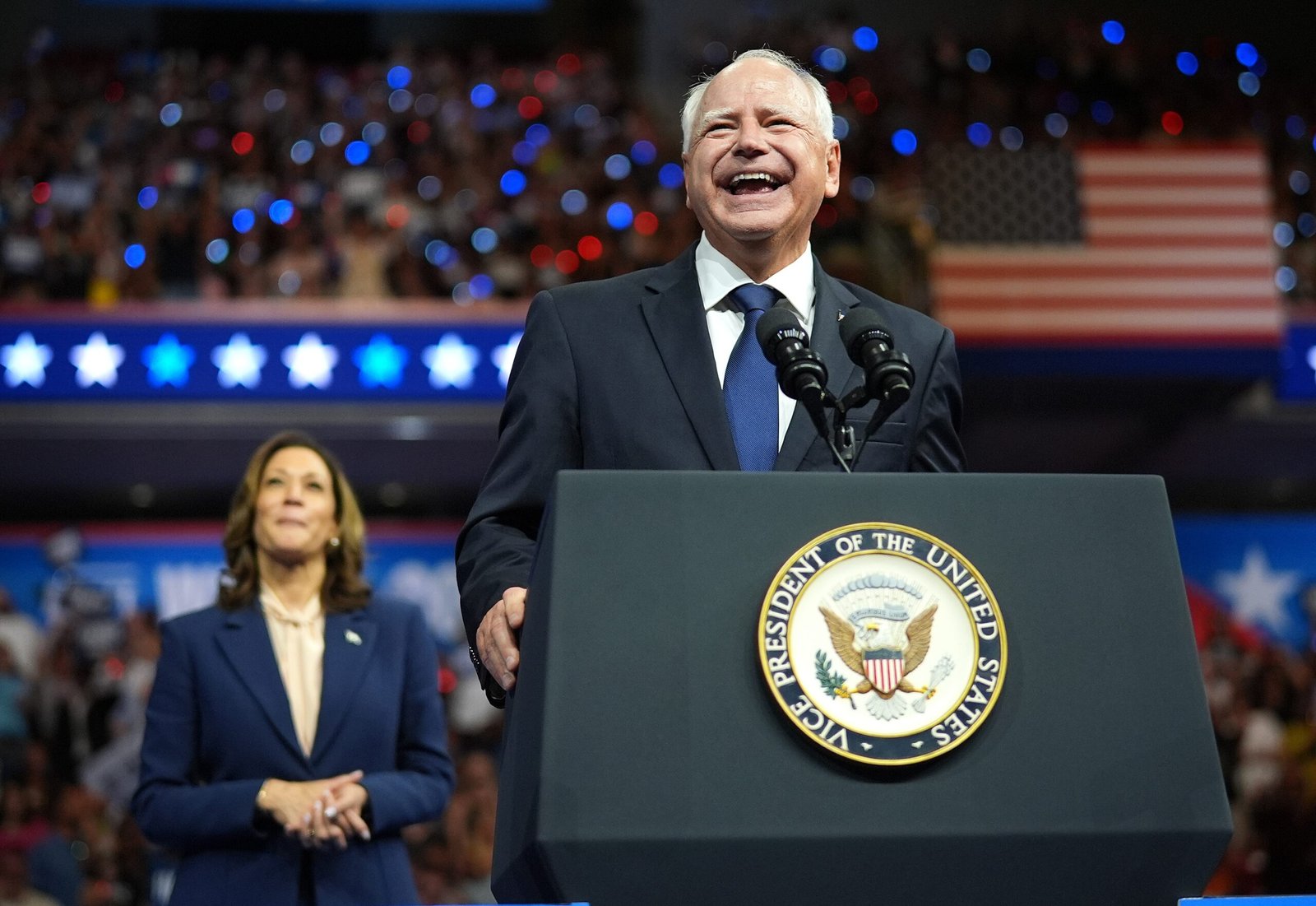
Democrats, meanwhile, often promote a softer, service-oriented masculinity. Richard Reeves, author of Of Boys and Men, points to Tim Walz, Kamala Harris’ 2024 running mate, as embodying this through his roles as a coach and teacher. Memes praising Walz for “fixing your car” or “getting you home safely” highlight a masculinity tied to care rather than conquest, appealing to voters seeking a less aggressive archetype.
Comparison Table: Masculinity in Political Parties
| Party | Masculinity Type | Key Traits | Example Figures |
|---|---|---|---|
| Republican | Hegemonic/Performative | Dominance, aggression, tradition | Donald Trump, Ted Cruz |
| Democratic | Service-Oriented | Empathy, community, collaboration | Tim Walz, Barack Obama |
Pros and Cons of the Masculinity Effect
Pros of Emphasizing Masculinity
- Voter Appeal: Candidates projecting strength often resonate with voters seeking decisive leadership.
- Cultural Resonance: Aligning with traditional norms can energize conservative bases.
- Policy Clarity: Masculine traits can signal clear stances on issues like security or economics.
Cons of Emphasizing Masculinity
- Excludes Diverse Voters: Overemphasis on masculinity alienates those who value empathy or collaboration.
- Reinforces Stereotypes: It perpetuates rigid gender norms, limiting women’s and non-traditional men’s political viability.
- Polarization Risk: Appeals to precarious manhood can fuel aggressive rhetoric and division.
The Double Bind for Women Candidates
Women candidates face a unique challenge: they must balance masculine traits to prove leadership while maintaining enough femininity to avoid backlash. McDermott’s research shows that women who fail to show masculine traits often struggle to be seen as viable, yet excessive masculinity can lead to perceptions of overstepping norms. For example, Kamala Harris’ 2020 campaign used imagery blending strength (e.g., prosecutorial toughness) with warmth (e.g., family-oriented visuals) to navigate this bind.
The Role of Social Media and Visual Cues
Social media amplifies the masculinity effect. A 2023 study in EPJ Data Science analyzed 77,861 Facebook photos from 2018 U.S. candidates and found that masculine visual traits—like stern expressions or rugged settings—correlated with electoral success. Politicians use these cues deliberately, knowing voters process visuals heuristically, often bypassing policy details. This trend underscores why platforms like X, where quick visuals dominate, are critical for campaigns.
Personal Reflection: A Voter’s Perspective
Growing up in a small town, I saw firsthand how masculinity shaped local politics. Our mayor, a former football coach, won elections not just on policy but on his image as a “tough guy” who’d “fight for us.” It wasn’t until I studied political science that I realized this wasn’t just charisma—it was a deliberate appeal to cultural ideals of manhood. It made me wonder: how many voters, like my neighbors, choose leaders based on these unspoken cues rather than platforms?
People Also Ask (PAA)
What does masculinity mean in politics?
Masculinity in politics refers to traits like toughness, dominance, and independence that candidates project to signal leadership. These traits, often measured by tools like the BSRI, influence voter perceptions and campaign strategies, shaping electoral outcomes.
How does masculinity affect voting behavior?
Voters with higher masculine traits tend to favor Republican candidates, who align with strength and tradition, while those with feminine traits lean Democratic. This split, rooted in gendered personality traits, drives much of the gender gap in elections.
Why do women candidates emphasize masculine traits?
Women candidates often highlight masculine traits to counter stereotypes and prove leadership competence. However, they must balance this with femininity to avoid backlash, navigating a double bind that male candidates rarely face.
Where can I learn more about gender in politics?
Explore books like Masculinity in American Politics by Monika McDermott or Of Boys and Men by Richard Reeves. Academic journals like Politics & Gender or resources from Pew Research Center offer deep insights into gender’s role in politics.
Best Tools for Understanding Political Masculinity
- Books: Masculinity in American Politics (McDermott & Cassino) and Of Boys and Men (Reeves) provide accessible, research-backed insights.
- Journals: Politics & Gender and Sex Roles publish peer-reviewed studies on gender dynamics in politics.
- Surveys: Pew Research Center’s studies on masculinity offer data-driven perspectives on public attitudes.
- Online Platforms: Follow discussions on X for real-time takes on how masculinity shapes political discourse.
FAQ
How does masculinity influence candidate success?
Masculinity influences success by aligning candidates with voter expectations of strength and leadership. Visual cues and rhetoric emphasizing dominance often boost electoral appeal, especially among conservative voters.
Are women disadvantaged by the masculinity effect?
Yes, women face a double bind, needing to project masculine traits to seem competent while maintaining femininity to avoid backlash. This balancing act can limit their appeal compared to male candidates.
Does the manosphere really affect elections?
Yes, the manosphere politicizes young men by framing progressive policies as threats to masculinity. Studies show exposure to manfluencers increases misogynistic attitudes, which can translate into votes for certain candidates.
Can masculinity in politics evolve?
Absolutely. As Gen Z redefines gender norms, candidates like Tim Walz show that service-oriented masculinity can resonate. Cultural shifts may gradually reduce the dominance of hegemonic masculinity in politics.
Where can I find reliable data on this topic?
Check Pew Research Center, academic journals like Politics & Gender, or books by scholars like McDermott. For real-time insights, X offers raw, unfiltered discussions on political masculinity.
Conclusion: Navigating a Masculine Political World
The masculinity effect in American politics is a powerful force, shaping how candidates campaign, how voters choose, and how policies are framed. From Trump’s bravado to Walz’s service-oriented appeal, masculinity remains a central, if often unspoken, driver of political dynamics. As voters, we must ask: are we choosing leaders for their policies or their personas? By understanding this effect, we can make more informed choices and push for a politics that values diverse traits—masculine, feminine, and everything in between.
For further reading, visit Pew Research Center or explore Masculinity in American Politics at NYU Press. Stay engaged with these topics on X for real-time perspectives.