As a travel writer, your office is the world—sometimes a bustling airport terminal, other times a quiet café in a foreign city, or even a dusty trail in the middle of nowhere. I’ve been chasing stories across continents for over a decade, from the vibrant markets of Marrakech to the serene fjords of Norway, and I’ve learned one thing: the right gear can make or break your journey. Whether you’re scribbling notes in a rain-soaked jungle or editing photos on a long-haul flight, having the right tools ensures you capture the essence of a place without losing your sanity. This article dives into the essentials every travel writer needs, blending personal anecdotes, expert insights, and practical advice to help you pack smarter and write better.
Why Travel Writers Need Specialized Gear
Travel writing isn’t just about poetic prose; it’s about surviving unpredictable environments while staying productive. The right gear keeps you comfortable, organized, and ready to craft compelling stories, no matter where you are. From durable bags to tech that won’t quit, these tools are your lifeline on the road.
The Unique Demands of Travel Writing
Unlike typical tourists, travel writers juggle multiple roles: storyteller, photographer, researcher, and sometimes even their own travel agent. You need gear that’s lightweight, versatile, and reliable to handle long days of exploration and tight deadlines.
The Must-Have Travel Writer Gear
Here’s the gear I never leave home without, tested through years of trial and error across dozens of countries. These essentials balance functionality, portability, and durability to keep you focused on the story.
A Lightweight, Durable Laptop
A laptop is your creative hub, whether you’re drafting an article in a cramped airplane seat or editing photos in a hostel. I swear by my 13-inch MacBook Air—it’s light (under 3 pounds), has a 12-hour battery life, and handles multitasking like a champ. Once, while stranded in a remote Peruvian village with no Wi-Fi, I relied on its offline capabilities to polish a feature for Travel + Leisure.
Pros:
- Lightweight and portable
- Long battery life for remote work
- Powerful enough for writing and photo editing
Cons:
- High-end models can be pricey
- Limited storage on base models
A Compact, High-Quality Camera
A good camera is non-negotiable for capturing the visual stories that complement your words. I use a Panasonic Lumix GX85, which is compact, shoots 4K video, and costs around $500. Travel photographer Lola Akinmade calls these “visual note-takers,” perfect for snapping quick shots to jog your memory later. In Belize, my Lumix captured the vibrant chaos of a street market, details I later wove into a story.
Comparison Table: Cameras for Travel Writers
| Camera Model | Weight | Price | Key Features |
|---|---|---|---|
| Panasonic Lumix GX85 | 0.9 lbs | $500 | 4K video, compact, affordable |
| Sony Alpha a6400 | 0.9 lbs | $900 | Fast autofocus, great low-light |
| Canon PowerShot G7X | 0.7 lbs | $650 | Flip screen, ideal for vlogging |
Noise-Canceling Headphones
Long flights and noisy cafés can kill your focus. A pair of Bose QuietComfort 45 headphones ($329) is my go-to for drowning out crying babies or chatty seatmates. On a 15-hour flight to Tokyo, they let me focus on editing a piece about cherry blossoms without distraction. They’re also great for recording interviews in loud environments.
Pros:
- Blocks out ambient noise
- Comfortable for long wear
- Doubles as an audio recorder accessory
Cons:
- Expensive
- Battery life (24 hours) requires recharging
A Reliable Backpack
Your backpack is your mobile office. I use the Osprey Farpoint 40L ($185), which is carry-on compliant, durable, and has a padded laptop compartment. In Belize, it survived three months of rugged travel without a single tear. Look for one with a trolley sleeve to pair with a suitcase for easy airport navigation.
A Portable Power Bank
Dead devices are a travel writer’s nightmare. The Anker PowerCore 10000 ($25) is compact, lightweight (6 oz), and can charge your phone twice. I once relied on it during a 12-hour bus ride through Morocco when my phone was my only navigation tool.
A Versatile Notebook and Pen
Sometimes, you need to go analog. I carry a Moleskine Classic Notebook ($20) and a Fisher Space Pen ($30), which writes in any condition—rain, heat, or upside down. Jotting down thoughts during a sunrise hike in Patagonia helped me capture details I’d have forgotten otherwise.
Where to Get These:
- Moleskine notebooks: Available at Amazon or stationery stores like Staples.
- Fisher Space Pen: Find it at REI or specialty pen shops.
Packing Cubes for Organization
Packing cubes keep your gear tidy. I use Bagail Compression Packing Cubes ($18 for a 4-pack), which saved me from chaos during a multi-country trip across Southeast Asia. They compress clothes and keep electronics separate, making it easy to find what you need.
A Multi-Outlet Travel Adapter
Power outlets vary worldwide, and a universal travel adapter like the Tessan International Plug Adapter ($20) is a lifesaver. It has four USB ports and works in over 150 countries. I used it to charge multiple devices in a single outlet in a cramped Italian hostel.
Comfort Essentials for Long Flights
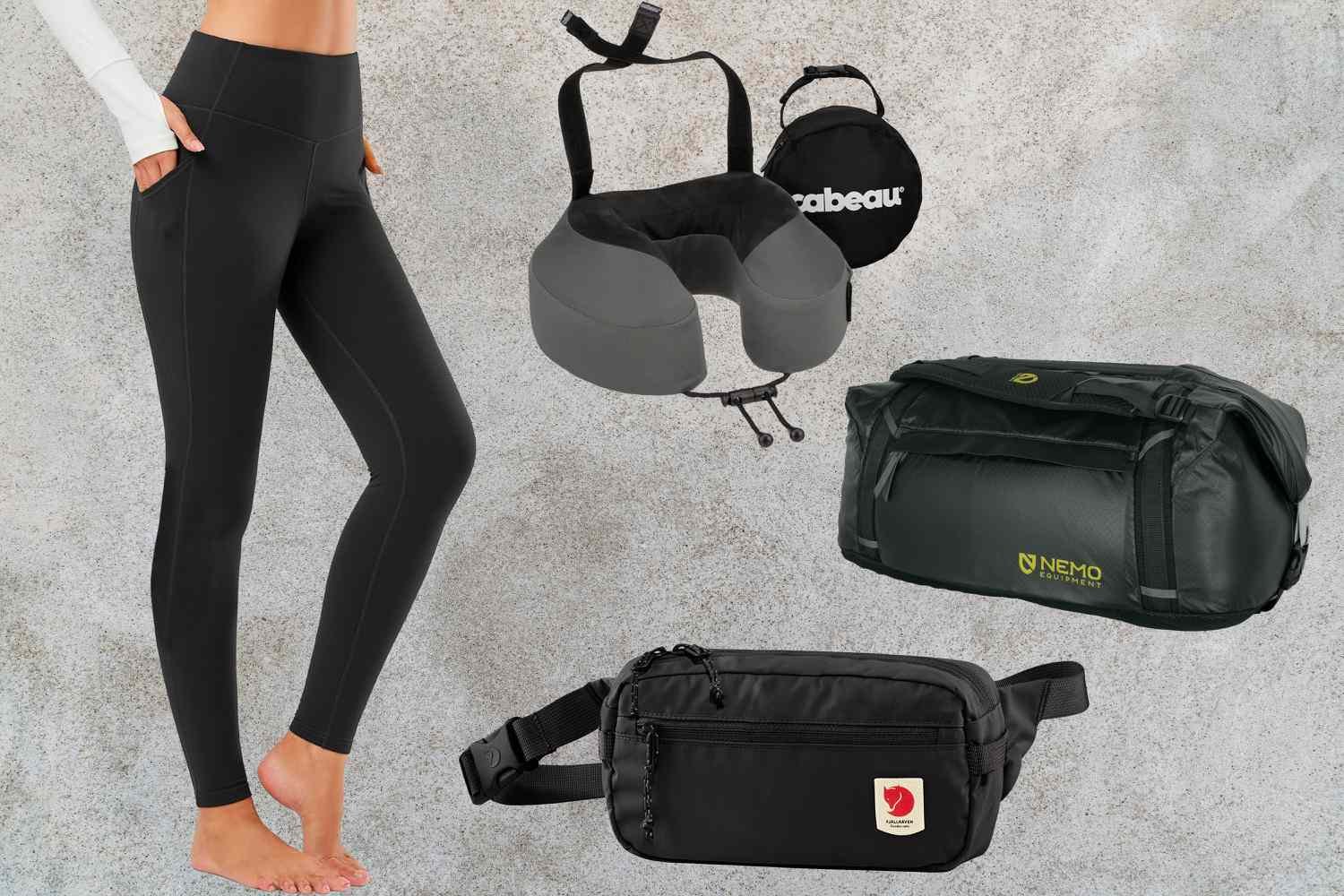
Long flights are part of the job, so comfort is key. I pack a Cabeau Evolution S3 Neck Pillow ($50) for neck support and a Riiqiichy Pashmina Shawl ($15) that doubles as a blanket or scarf. On a flight to Sydney, the shawl kept me cozy while I typed up notes.
Pros and Cons of Comfort Gear
| Item | Pros | Cons |
|---|---|---|
| Cabeau Neck Pillow | Ergonomic, supportive, packable | Bulky when not compressed |
| Pashmina Shawl | Versatile, lightweight, stylish | Not as warm as a thick blanket |
A Digital Recorder for Interviews
Capturing quotes accurately is crucial. The Smart Recorder app (free with ads) on my phone is reliable for in-person interviews, as I found while interviewing a chef in Bangkok. For dedicated devices, the Zoom H1n ($99) is compact and records high-quality audio.
Travel-Friendly Clothing
Versatile clothing saves space and keeps you professional. Encircled’s Dressy Sweatpants ($145) are my favorite—they’re comfortable yet polished enough for a last-minute meeting. I wore them straight from a flight to a dinner in Toronto without needing to change.
How to Choose the Right Gear
Selecting gear depends on your travel style and budget. Here’s how to make smart choices:
- Prioritize Portability: Gear should be lightweight and compact to fit in a carry-on.
- Check Durability: Invest in items that can withstand rough travel conditions.
- Balance Cost and Quality: Affordable options like the Anker PowerCore or Bagail cubes work as well as pricier alternatives.
- Test Before You Travel: Use your gear at home to ensure it meets your needs.
Personal Story: Learning the Hard Way
Early in my career, I lugged a heavy DSLR and a bulky laptop to India, only to find my bag too heavy for a rickety train ride. My laptop died mid-trip, and I lost half a day’s work. That disaster taught me to prioritize lightweight, reliable gear. Now, I pack smarter, and my stories—like one about a hidden temple in Kerala—come together without tech meltdowns.
Where to Buy Travel Writer Gear
- Amazon: Great for cameras, power banks, and packing cubes. Check their travel store for deals starting at $10.
- REI: Ideal for backpacks and outdoor gear like the Osprey Farpoint.
- Best Buy: Reliable for laptops and headphones with competitive pricing.
- Local Stationery Stores: Perfect for notebooks and pens if you prefer to shop in person.
People Also Ask (PAA)
What gear do travel writers use?
Travel writers rely on lightweight laptops, compact cameras, noise-canceling headphones, durable backpacks, and portable power banks to stay productive and capture stories.
How do travel writers stay organized?
Packing cubes, digital note-taking apps like Evernote, and structured backpacks help writers keep gear and notes organized on the go.
What’s the best camera for travel writing?
The Panasonic Lumix GX85 is a favorite for its compact size, 4K video, and affordability, ideal for capturing visual stories.
How do travel writers manage long flights?
Comfort gear like neck pillows, pashmina shawls, and noise-canceling headphones make long flights bearable, allowing writers to work or rest.
FAQ
Q: What’s the most important gear for a travel writer?
A: A lightweight laptop is crucial—it’s your primary tool for writing, editing, and submitting work on the go. Pair it with a reliable power bank to stay charged.
Q: How do I protect my gear while traveling?
A: Use a durable backpack with padded compartments, keep electronics in waterproof cases, and consider travel insurance for expensive items like cameras.
Q: Are expensive cameras worth it for travel writing?
A: Not always. Compact, affordable cameras like the Panasonic Lumix GX85 ($500) often outperform bulkier, pricier models for travel needs.
Q: How do I stay productive in noisy environments?
A: Noise-canceling headphones, like the Bose QuietComfort 45, block distractions, letting you focus on writing or editing in busy places.
Q: What’s the best way to take notes on the road?
A: Combine a digital app like Evernote for quick notes with a physical notebook and a reliable pen, like the Fisher Space Pen, for backup.
Final Thoughts
Travel writing is as much about preparation as inspiration. The right gear—lightweight, durable, and versatile—lets you focus on crafting stories that transport readers to new places. From the laptop that powers your words to the camera that captures the moment, these essentials are your partners in adventure. So, pack smart, travel light, and let your stories shine.