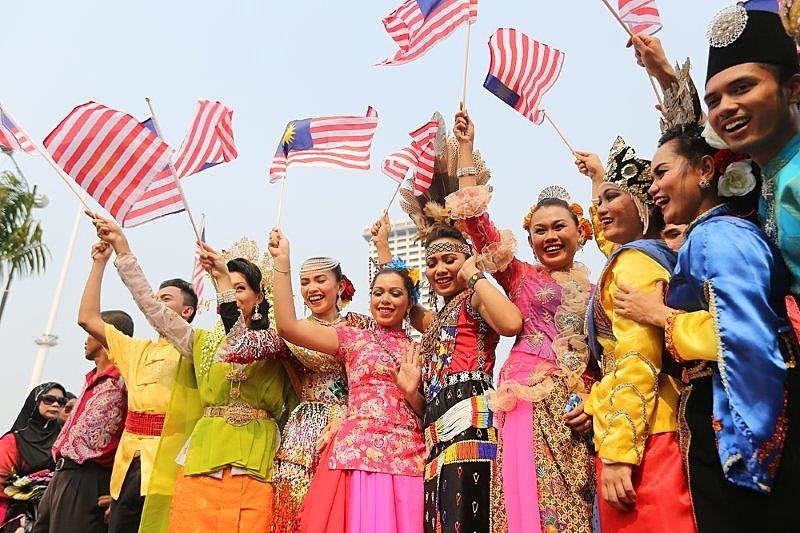
Culture and tradition are the threads that weave the fabric of our identities, connecting us to our roots and shaping how we navigate the world. They’re like the family recipes passed down through generations—each ingredient tells a story, and every bite feels like home. But why should we hold onto these practices in a fast-paced, ever-changing world? This article explores the profound importance of following culture and tradition, offering insights into their benefits, challenges, and practical ways to keep them alive.
The Essence of Culture and Tradition
Culture is the heartbeat of a society, encompassing beliefs, values, customs, arts, and behaviors that define a group of people. Traditions, on the other hand, are the rituals and practices passed down through generations, like celebrating a holiday or gathering for a family meal. Together, they provide a sense of belonging, continuity, and purpose. They remind us who we are, where we come from, and what matters most.
Why Culture Matters
Culture shapes our worldview and influences how we interact with others. It’s the lens through which we see the world, guiding our values and decisions. By embracing our culture, we honor the legacy of our ancestors and preserve the unique qualities that make our communities special.
The Role of Tradition
Traditions act as anchors, grounding us in a rapidly changing world. Whether it’s lighting candles during Diwali or sharing stories around a Thanksgiving table, these rituals create lasting memories and foster connection. They’re not just habits—they’re meaningful acts that tie us to our past and future.
The Benefits of Following Culture and Tradition
Following culture and tradition offers a wealth of benefits, from personal growth to societal harmony. Here are some key reasons why they matter:
- Sense of Identity: Culture and tradition provide a roadmap for understanding who we are. They connect us to our heritage, giving us a sense of pride and belonging.
- Community Building: Shared traditions bring people together, fostering unity and strengthening bonds within families and communities.
- Mental Well-Being: Engaging in familiar rituals can reduce stress and provide comfort, especially during challenging times.
- Preservation of History: Traditions keep historical knowledge alive, ensuring that stories, values, and practices are passed down to future generations.
- Economic Impact: Cultural practices like artisanal crafts or traditional festivals can boost local economies by attracting tourists and preserving jobs.
Personal Connection to Identity
When I was a child, my grandmother would gather us around the kitchen table every Sunday to make her famous pierogi recipe. The act of kneading dough and sharing stories about her childhood in Poland wasn’t just about food—it was about connecting to my heritage. Those moments shaped my sense of self and gave me a deep appreciation for my roots. Similarly, embracing your culture helps you understand your place in the world and builds confidence in your identity.
Strengthening Family and Community Bonds
Traditions create shared experiences that strengthen relationships. Think of a family reunion where everyone brings a dish tied to their heritage, or a community festival celebrating local customs. These moments foster a sense of unity and belonging, reminding us that we’re part of something bigger. Studies show that regular family rituals, like shared meals, can enhance children’s self-esteem and emotional well-being [WebMD,].
Mental Health and Stability
In a world full of uncertainty, traditions offer a comforting sense of stability. For example, during the holidays, decorating the Christmas tree or lighting the menorah can evoke feelings of nostalgia and peace. These rituals provide a predictable rhythm to life, helping us cope with stress and feel grounded. Research suggests that traditional celebrations can reduce stress and improve mental health by creating a sense of connection [Oregon Counseling,].
Preserving Cultural Heritage
Traditions are like living museums, preserving the stories, languages, and practices of our ancestors. By practicing them, we ensure that our culture doesn’t fade away. For instance, indigenous communities often use storytelling to pass down knowledge, keeping their languages and histories alive [etranslationservices.com,]. This preservation is crucial for maintaining diversity and honoring the struggles of those who came before us.
Economic and Social Benefits
Cultural traditions can also drive economic growth. Festivals, crafts, and traditional cuisines attract tourists, boosting local businesses. For example, events like Oktoberfest or local artisan markets create jobs and celebrate cultural heritage. Additionally, traditions promote social cohesion by bringing people together to celebrate shared values, fostering respect and understanding across diverse groups [FasterCapital,].
Comparing Tradition with Modernity
While traditions ground us, modernity pushes us forward. Balancing the two can be a delicate dance, but it’s not an either-or choice. Here’s a comparison to highlight their interplay:
| Aspect | Tradition | Modernity |
|---|---|---|
| Purpose | Preserves identity and history | Encourages innovation and progress |
| Focus | Continuity and stability | Change and adaptability |
| Examples | Family recipes, religious rituals | Technology adoption, new social norms |
| Benefits | Sense of belonging, cultural preservation | Efficiency, global connectivity |
| Challenges | Can resist change, may feel outdated | Can erode cultural roots, fast-paced |
Finding Balance
The key is to embrace traditions that resonate while staying open to evolution. For instance, the Chinese New Year lion dance now incorporates LED technology, blending tradition with modern flair [waysofthinking.co.uk,]. This fusion keeps culture vibrant and relevant, ensuring it thrives in a modern world.
Pros and Cons of Following Culture and Tradition
Like anything, following culture and tradition has its strengths and challenges. Here’s a breakdown:
Pros
- Identity and Pride: Strengthens personal and cultural identity.
- Connection: Builds bonds with family, community, and heritage.
- Stability: Offers comfort and predictability in a changing world.
- Education: Teaches values like respect, responsibility, and empathy.
- Economic Boost: Supports local economies through cultural tourism.
Cons
- Resistance to Change: Some traditions may clash with modern values, like gender equality or inclusivity.
- Pressure to Conform: Can feel restrictive if imposed without flexibility.
- Cultural Misunderstandings: Without context, traditions may be misinterpreted, as in Maya Angelou’s story of mistakenly walking on a sacred rug in Senegal [Great Kids, Inc.,].
Navigating the Challenges
Not all traditions are worth keeping. Practices that harm or oppress, like outdated social norms, should be re-evaluated. The goal is to preserve what enriches us while adapting or letting go of what no longer serves. For example, if a tradition excludes certain family members, consider modifying it to be inclusive, ensuring everyone feels valued.
Practical Ways to Embrace Culture and Tradition
Ready to bring culture and tradition into your life? Here are actionable steps to get started:
- Learn Your Heritage: Research your family history, recipes, or stories. Websites like Ancestry.com can help trace your roots.
- Participate in Rituals: Join cultural festivals, religious services, or family gatherings to stay connected.
- Pass It Down: Teach younger generations about your traditions through storytelling, cooking, or crafts.
- Create New Traditions: Start your own rituals, like a weekly family game night or volunteering during the holidays [Tinybeans,].
- Support Local Culture: Attend cultural events or shop at markets that showcase traditional crafts.
Where to Get Resources
- Cultural Organizations: Groups like the Smithsonian Institution offer resources on global cultures.
- Community Centers: Local centers often host workshops or festivals celebrating heritage.
- Online Platforms: Websites like CultureTrip.com provide insights into traditions worldwide.
Best Tools for Learning
- Books: “The Joy of Family Traditions” by Jennifer Trainer Thompson offers over 400 tradition ideas.
- Apps: Apps like Duolingo can help learn ancestral languages, preserving cultural heritage.
- Documentaries: Streaming platforms like Netflix feature documentaries on cultural practices, such as “The Foods of Our Ancestors.”
People Also Ask (PAA)
Here are answers to common questions about culture and tradition, sourced from Google’s PAA:
Why is culture important to society?
Culture defines a society’s identity, shaping its values, norms, and behaviors. It fosters unity, preserves history, and promotes diversity, enriching the social fabric.
What are the benefits of preserving traditions?
Preserving traditions maintains cultural identity, strengthens community bonds, supports mental health, and drives economic growth through tourism and local crafts.
How do traditions affect our lives?
Traditions provide stability, connect us to our roots, and create meaningful memories. They guide decision-making and reinforce values like respect and responsibility.
How can we preserve our culture?
Preserve culture by practicing traditions, teaching them to younger generations, supporting cultural events, and documenting stories or recipes for future use.
FAQ Section
Why should we value our cultural heritage?
Valuing cultural heritage connects us to our roots, fosters pride, and ensures that unique practices and stories are passed down, enriching future generations.
Can traditions evolve over time?
Yes, traditions can and should evolve to stay relevant. For example, incorporating modern technology or inclusive practices can refresh traditions while preserving their essence.
What happens if we don’t follow traditions?
Neglecting traditions risks losing cultural identity and historical knowledge. It can weaken community bonds and leave individuals feeling disconnected from their heritage.
How can I start new traditions?
Start new traditions by identifying meaningful activities, like a monthly family hike or volunteering. Involve loved ones to create shared experiences that last.
Are all traditions worth keeping?
Not all traditions are beneficial. Harmful or outdated practices should be re-evaluated, keeping only those that promote positive values and inclusivity.
Conclusion: A Tapestry of Meaning
Following culture and tradition is like tending to a garden—nurturing the roots while allowing new growth to flourish. They give us a sense of identity, connect us to our communities, and provide stability in a chaotic world. By embracing the best parts of our heritage and adapting where needed, we create a vibrant tapestry that honors the past and inspires the future. So, whether it’s cooking your grandmother’s recipe or starting a new family ritual, take a moment to celebrate the traditions that make you, you. What’s one tradition you’ll keep alive this year?