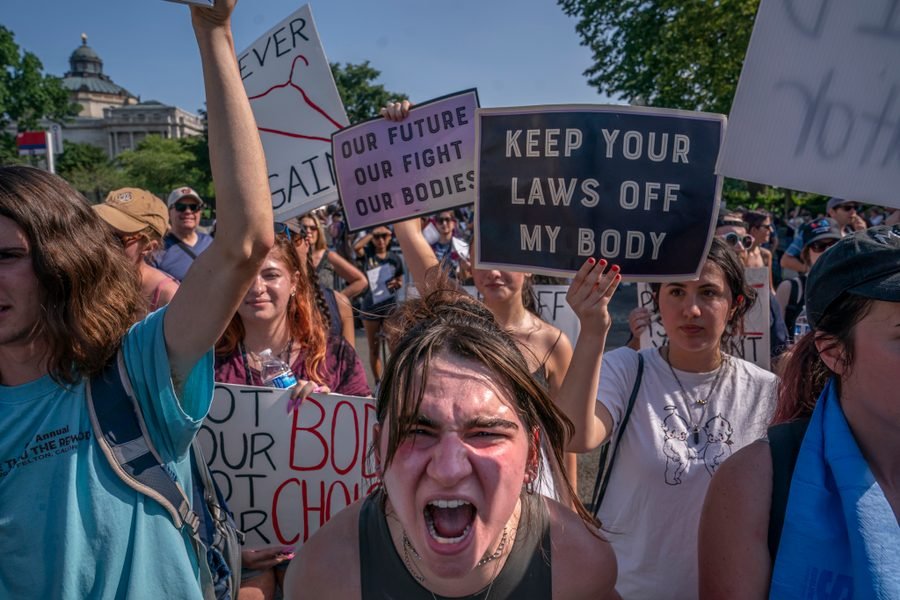
I’ve always been drawn to stories of trailblazing women who step into the spotlight of politics, only to face a media glare that’s more like a funhouse mirror—distorted and unflattering. Growing up, I watched my aunt, a local community organizer, navigate small-town politics, where every achievement was overshadowed by questions about her “fit” as a mother and leader. It sparked my curiosity about how media shapes—or warps—our view of women in power. Today, as we mark progress in 2025, the interplay between women in politics and the media remains a dynamic battleground, full of triumphs, setbacks, and calls for change. This article dives deep into that world, exploring history, biases, stats, and paths forward, all while keeping it real: because understanding this isn’t just academic; it’s about the leaders who could change our lives.
The Historical Evolution of Women in Politics
From suffragettes marching for the vote to modern-day cabinet secretaries, women’s journey into politics has been a slow burn, marked by resilience against systemic barriers. Media has played both villain and ally, amplifying voices when convenient but often sidelining them. Think of how early coverage framed women as novelties rather than serious contenders, a pattern that’s evolved but not vanished.
Early Trailblazers Who Defied the Odds
Pioneers like Jeannette Rankin, the first woman elected to U.S. Congress in 1916, faced ridicule in headlines that mocked her pacifism as “feminine weakness.” Their stories remind us that breaking glass ceilings often means dodging shards from the media’s lens.
The Role of Media in Shaping Perceptions of Female Leaders
Media doesn’t just report on politics; it crafts the narrative, deciding who gets seen as competent or controversial. For women, this means coverage that’s twice as likely to dwell on personal traits over policy substance. It’s like the press holds a magnifying glass to their lives while giving men a wide-angle shot.
Persistent Gender Biases in Coverage
Studies show women politicians receive less policy-focused reporting, with emphasis on appearance or family life—up to 28% more mentions of “emotional” traits compared to men. This bias isn’t accidental; it’s rooted in outdated norms that question women’s gravitas.
Stereotypes and Their Lasting Impact
From the “shrill” label to outfit critiques, stereotypes paint women as less authoritative, eroding voter trust. I chuckle bitterly at how a male gaffe might be “folksy,” but a woman’s is “unprofessional”—it’s a double standard that’s cost elections.
Current Statistics on Women’s Representation in Politics and Media
In 2025, women hold 27% of parliamentary seats globally, a slight uptick from prior years, yet media lags behind with only 27% of top editorial roles filled by women across major outlets. In the U.S., women make up 28% of Congress, unchanged from the last term, while cabinet positions hover at 22.9% worldwide. These numbers highlight a persistent gap, where underrepresentation in politics mirrors skewed media portrayals.
| Category | Women’s Share (Global, 2025) | Women’s Share (U.S., 2025) | Key Insight |
|---|---|---|---|
| Parliamentary Seats | 27% | 28% (Congress) | Slow progress, but regional variations (e.g., 50%+ in Rwanda) show quotas work. |
| Cabinet Ministers | 22.9% | ~25% (varies by admin) | Decline from 2024; women often in “soft” roles like family or education. |
| Media Editors | 27% (top roles) | 30% (major outlets) | Journalists are 40% women, but leadership bottlenecks persist. |
| Heads of State/Government | 31 women (27 countries) | 0 (current) | Historic highs, yet fragile—e.g., recent losses in some nations. |
This table underscores how intertwined politics and media are; better media equity could boost political gains.
Challenges Faced by Women in Politics and Media
Women navigating politics often hit a wall of scrutiny that’s amplified by media, from online harassment to biased framing. It’s exhausting—imagine running for office while dodging trolls who fixate on your heels instead of your platform. These hurdles not only deter participation but also skew public opinion.
- Sexist Coverage: Women get 11.6% less favorable treatment for lacking expertise compared to men’s 7.4%, per research on political media. This punishes them harder for the same slip-ups.
- Underrepresentation in News: Globally, women receive just 26% of media airtime, missing half the story on issues like gender equality.
- Online Abuse: Women politicians face twice the sexist comments on social media, leading to self-censorship and burnout.
- Stereotyping Qualifications: In U.S. Senate races, women’s political achievements are downplayed, with more focus on “feminine” traits like family roles.
These challenges create a vicious cycle, where poor media treatment reduces women’s electoral success.
Success Stories and Influential Women Shaping the Landscape
Despite the obstacles, women like Gretchen Whitmer, Michigan’s governor who’s balanced crisis leadership with family life under intense media scrutiny, inspire a new generation. Their visibility in 2025—think Kamala Harris’s enduring influence or emerging voices like Sarah McBride—shows how persistence pays off. It’s heartening to see these figures not just surviving but thriving, turning media spotlights into spotlights on real change.
- Gretchen Whitmer (U.S.): Kidnapping plot survivor and policy powerhouse, her media savvy has elevated women’s roles in state politics.
- Jacinda Ardern (Former NZ PM): Though stepped down, her empathetic leadership during COVID redefined “strong” for women globally.
- Nancy Mace (U.S. Congress): Bold on issues like abortion rights, she’s mastered social media to counter conservative media biases.
- Ursula von der Leyen (EU Commission President): Navigating international media, she’s a model for women in high-stakes diplomacy.
- Taraji P. Henson (Media Influencer): As an advocate, she bridges entertainment and politics, calling out biases in Hollywood’s political coverage.
These women prove that with strategy, media can be a tool for empowerment rather than a trap.
The Impact of Social Media on Women in Politics
Social platforms have democratized access, letting women bypass traditional gatekeepers to connect directly with voters. Yet, it’s a double-edged sword—empowering but perilous. I’ve seen friends in activism use Twitter to rally support, only to face floods of hate that no man endures at the same scale.
Pros and Cons of Social Media for Female Politicians
Pros:
- Direct Engagement: Women like Alexandria Ocasio-Cortez build massive followings (over 8 million on X), sharing unfiltered policy views.
- Amplifying Marginalized Voices: Platforms highlight issues like reproductive rights, reaching demographics traditional media ignores.
- Cost-Effective Campaigning: Low-barrier entry levels the field for grassroots women candidates.
Cons:
- Heightened Harassment: Women receive 2-3 times more abuse, including gendered threats, leading to 20% higher dropout rates in some studies.
- Misinformation Spread: Deepfakes and disinformation target women more, eroding trust—e.g., false family scandals.
- Algorithmic Bias: Feeds prioritize sensationalism, pushing emotional “drama” over substantive debate for women.
Balancing these requires savvy digital strategies, turning potential pitfalls into platforms for progress.
Strategies for Achieving Fairer Representation
Organizations worldwide are pushing for change through training and advocacy, recognizing that equitable media is key to political parity. It’s about equipping women with tools to own their narratives, from media literacy workshops to policy reforms. The emotional payoff? Seeing more diverse leaders emerge feels like collective victory.
Initiatives by Global Organizations
UN Women runs gender-sensitive reporting toolkits and workshops, training journalists in over 50 countries to reduce bias. Their Latin American media monitoring manual has improved election coverage in five nations. Similarly, International IDEA’s e-discussions gather best practices to counter sexist portrayals.
For those eager to dive deeper, check out resources like UN Women’s leadership page or International IDEA’s reports. If you’re building a career in this space, consider internal links to our guide on aspiring female leaders.
People Also Ask
Drawing from common Google queries, here are insights into frequent questions on women in politics and the media. These reflect searcher curiosity about biases and progress.
Are women politicians covered differently than men in the media?
Yes, coverage often focuses on women’s appearance, family, or emotions rather than policy—studies from 2010-2020 show men get more substantive reporting on economy and security. This disparity influences voter perceptions and candidate viability.
How does media bias affect women’s political participation?
Biased portrayals discourage women from running, as seen in global research linking sexism to fewer female candidates. It also amplifies harassment, reducing overall representation to just 27% in parliaments.
What are some examples of sexist media coverage of women politicians?
Headlines critiquing Hillary Clinton’s “cackle” or Elizabeth Warren’s “likeability” exemplify this, versus praise for male counterparts’ assertiveness. In 2025, similar tropes persist for figures like Nancy Mace.
Why is women’s representation in media important for politics?
More women in media leadership (currently 27%) leads to fairer political coverage, boosting female candidacies and policy focus on gender issues like childcare.
Where can I find resources on women in politics and media?
Start with UN Women’s factsheets or books like “Women Politicians and the Media” by Maria Braden. For navigational ease, visit CAWP at Rutgers for U.S. data.
Frequently Asked Questions
What percentage of women are in political leadership roles in 2025?
Globally, women hold 27% of parliamentary seats and 22.9% of cabinet posts, with 31 serving as heads of state or government across 27 countries. In the U.S., it’s 28% in Congress—a record, but still far from parity.
How can media improve coverage of women in politics?
By adopting gender-sensitive guidelines, like those from UN Women, outlets can prioritize policy over personal traits. Training female journalists has shown to increase balanced reporting by 15-20% in local news.
What are the biggest challenges for women in political media?
Harassment, stereotyping, and under-coverage top the list. For instance, women experts are penalized more for perceived lacks in knowledge, per PMC studies.
Who are the best influential women in politics and media to follow in 2025?
Track Gretchen Whitmer for U.S. governance, Ursula von der Leyen for global policy, and media voices like Taraji P. Henson. For transactional value, their books or TED Talks offer practical insights.
What books should I read to learn about women in politics and media?
Top picks include “Women Politicians and the Media” by Maria Braden for bias analysis, and “The Woman Behind the New Deal” by Kirstin Downey for historical inspiration. These are great for anyone seeking deeper understanding or career guidance.
As we wrap up, it’s clear the road ahead for women in politics and media is paved with potential—and potholes. But with awareness and action, we can smooth it out. If this resonates, share your thoughts; after all, conversation is the first step to change.