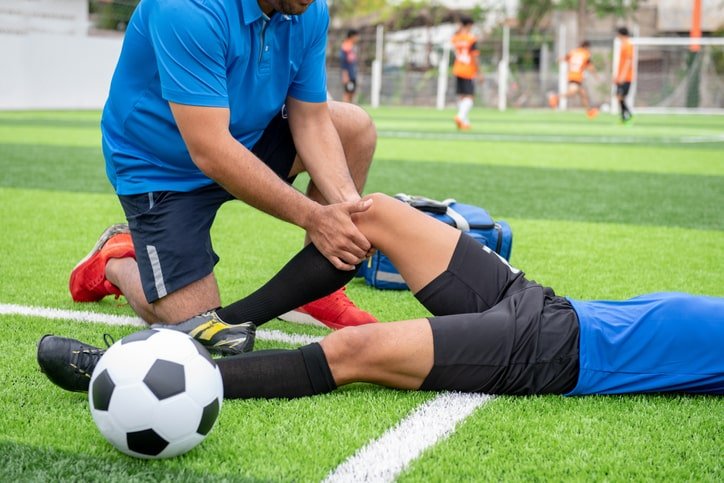
Sports are a fantastic way to stay fit, have fun, and build camaraderie. Whether you’re sprinting down a soccer field, spiking a volleyball, or hitting the trails for a run, the thrill of movement is hard to beat. But with great activity comes the risk of injury, and no one is immune—not even the pros. I remember my first ankle sprain during a high school basketball game; the pain was sharp, the swelling was instant, and I was sidelined for weeks. That moment taught me how quickly a fun game can turn into a frustrating recovery. Knowing the most common sports injuries can help you prevent them, treat them effectively, and get back to doing what you love. In this article, we’ll explore six prevalent sports injuries, their causes, treatments, and prevention tips, all while keeping it real and relatable.
What Are Sports Injuries?
Sports injuries occur during physical activities, from casual weekend games to competitive sports. They fall into two categories: acute (sudden, like a sprained ankle from a bad landing) and chronic (developing over time due to repetitive stress, like tendonitis from overuse). Understanding these injuries is the first step to staying safe and active.
Why Do Sports Injuries Happen?
Injuries often stem from overuse, improper technique, inadequate warm-ups, or accidents like falls or collisions. Poor equipment, like worn-out shoes, or pushing through pain can also increase risks. My basketball sprain? It happened because I landed awkwardly after a jump, with no proper warm-up to prepare my joints.
1. Sprains
A sprain occurs when a ligament—tough tissue connecting bones—stretches or tears, often due to a sudden twist or impact. Ankle sprains are the poster child here, making up 15% of all reported sports injuries. They’re common in sports like basketball, soccer, and volleyball, where quick pivots are part of the game.
Symptoms and Examples
You’ll feel pain, swelling, and maybe bruising. In severe cases, you might hear a “pop” when the injury happens. For example, a soccer player twisting their ankle during a tackle might limp off with a sprain.
Treatment Options
- RICE Method: Rest, Ice, Compression, Elevation for 48–72 hours to reduce swelling.
- Physical Therapy: Gentle exercises to restore mobility after swelling subsides.
- Medical Care: Severe sprains may need a brace or, rarely, surgery.
2. Strains
Strains affect muscles or tendons (which connect muscles to bones) and often result from overstretching or sudden force. Hamstring strains, for instance, are common in runners and football players who sprint or make quick directional changes.
Symptoms and Examples
Expect pain, swelling, and sometimes bruising. A runner might feel a sharp pull in their hamstring during a sprint, making it tough to keep going.
Treatment Options
- Rest and Ice: Avoid using the muscle and apply ice to reduce inflammation.
- Stretching and Strengthening: Gradual rehab to rebuild strength.
- Professional Help: Persistent pain may require physical therapy or ultrasound treatment.
3. Knee Injuries (ACL Tears)
Knee injuries, particularly anterior cruciate ligament (ACL) tears, are dreaded in sports like soccer, basketball, and skiing. The ACL stabilizes the knee, and a tear often happens during sudden stops or pivots. I’ve seen teammates go down with this one—it’s heartbreaking.
Symptoms and Examples
A “pop” sound, swelling, and instability are telltale signs. A basketball player landing awkwardly after a jump shot might suffer an ACL tear.
Treatment Options
- Non-Surgical: Rest, ice, and physical therapy for minor tears.
- Surgical: Complete tears often require surgery, followed by 9–12 months of rehab.
- Prevention Training: Plyometric exercises to strengthen hips and core can reduce risk by up to 75%, especially in teen girls.
4. Stress Fractures
Stress fractures are tiny cracks in bones caused by repetitive stress, common in weight-bearing bones like the tibia or foot. Runners, gymnasts, and basketball players are at risk, especially if they ramp up training too quickly.
Symptoms and Examples
Gradual pain that worsens with activity is a key sign. A runner increasing mileage too fast might feel persistent shin pain, signaling a stress fracture.
Treatment Options
- Rest: Avoid weight-bearing activities for 4–8 weeks.
- Supportive Gear: Wear proper shoes or orthotics.
- Medical Evaluation: X-rays confirm the diagnosis, and severe cases may need a cast.
5. Tennis Elbow (Lateral Epicondylitis)
Tennis elbow is an overuse injury affecting the tendons on the outer elbow, common in sports involving gripping, like tennis, golf, or baseball. It’s not just for pros—my friend got it from overzealous pickleball sessions
Symptoms and Examples
Pain and tenderness on the outer elbow, especially during gripping motions, are common. A tennis player might notice discomfort while serving.
Treatment Options
- Rest and Ice: Reduce activity and apply ice to ease inflammation.
- Physical Therapy: Stretching and strengthening exercises help recovery.
- Bracing: A counterforce brace can relieve tendon stress.
6. Concussions
Concussions are brain injuries caused by a blow to the head, common in contact sports like football, hockey, or even gymnastics. They’re serious and shouldn’t be brushed off as “just a bump.”
Symptoms and Examples
Headaches, dizziness, nausea, or confusion are red flags. A football player colliding during a tackle might experience a concussion.
Treatment Options
- Rest: Avoid physical and mental exertion until symptoms clear.
- Medical Clearance: A doctor must approve return-to-play.
- Monitoring: Watch for worsening symptoms, which could indicate a more severe issue.
Comparison of Acute vs. Chronic Injuries
| Injury Type | Cause | Examples | Onset | Treatment |
|---|---|---|---|---|
| Acute | Sudden trauma | Sprains, ACL tears, Concussions | Immediate | RICE, surgery (if severe), medical evaluation |
| Chronic | Overuse | Stress fractures, Tennis elbow | Gradual | Rest, physical therapy, technique correction |
Pros and Cons of Common Treatments
RICE Method
- Pros: Simple, effective for mild injuries, can be done at home.
- Cons: Not enough for severe injuries; prolonged use without medical advice can delay healing.
Physical Therapy
- Pros: Restores strength and mobility, reduces re-injury risk.
- Cons: Time-consuming, may require professional guidance.
Surgery
- Pros: Necessary for severe injuries like ACL tears or dislocations.
- Cons: Long recovery, potential complications, costly.
Prevention Tips to Stay Injury-Free
Nobody wants to be sidelined, so prevention is key. Here’s how to reduce your risk:
- Warm Up Properly: Spend 10–15 minutes on dynamic stretches and light activity.
- Use Proper Gear: Wear supportive shoes and sport-specific equipment, like helmets for contact sports.
- Learn Correct Technique: Work with a coach to master movements, like proper tackling in football.
- Gradual Progression: Increase intensity slowly to avoid overuse injuries.
- Rest and Recover: Take at least one rest day per week to let your body heal.
Where to Get Help for Sports Injuries
If you’re injured, don’t play through the pain—it can worsen the problem. Start with the RICE method at home, but see a healthcare provider if symptoms persist beyond a few days. Orthopedic clinics, sports medicine specialists, or physical therapists can diagnose and treat injuries. For immediate care, visit urgent care or an orthopedic clinic like Midwest Orthopedic Consultants or Johns Hopkins Medicine. For severe injuries like fractures or concussions, head to an emergency room.
Best Tools for Recovery and Prevention
Investing in the right tools can speed recovery and prevent future injuries:
- Compression Wraps: Brands like ACE or McDavid offer affordable bandages for swelling control.
- Foam Rollers: TriggerPoint or Hyperice rollers help with muscle recovery.
- Braces: DonJoy or Bauerfeind knee and ankle braces provide support during rehab.
- Orthopedic Shoes: Brands like Brooks or Asics offer shoes designed for stability and injury prevention.
Check retailers like Amazon or DICK’S Sporting Goods for these products. Always consult a professional before using braces or supports long-term.
People Also Ask (PAA)
What are the most common sports injuries?
Sprains, strains, knee injuries (like ACL tears), stress fractures, tennis elbow, and concussions are among the most common, often caused by trauma or overuse.
How can I prevent sports injuries?
Warm up thoroughly, use proper gear, learn correct techniques, and avoid overtraining. Rest days and gradual progression in intensity are also crucial.
When should I see a doctor for a sports injury?
Seek medical help if pain persists beyond 48–72 hours, if you can’t bear weight, or if symptoms like swelling or instability worsen.
How long does it take to recover from a sports injury?
Recovery varies: mild sprains may heal in 1–2 weeks, while severe injuries like ACL tears can take 9–12 months with surgery.
FAQ Section
What’s the difference between a sprain and a strain?
A sprain involves ligaments (connecting bones), while a strain affects muscles or tendons (connecting muscle to bone). Both cause pain and swelling but occur in different tissues.
Can I treat a sports injury at home?
Mild injuries like sprains or strains can often be treated with RICE (Rest, Ice, Compression, Elevation). Persistent pain or severe injuries require professional care.
Are children more prone to sports injuries?
Yes, kids are at higher risk due to growing bones and growth plates. About 3.5 million children under 14 suffer sports injuries annually, with sprains and strains being most common.
How do I know if I have a concussion?
Symptoms include headaches, dizziness, confusion, or nausea after a head impact. Always seek medical evaluation, as concussions can have serious long-term effects.
What’s the best way to return to sports after an injury?
Follow a rehab plan with a physical therapist, gradually increase activity, and ensure full recovery before returning. Rushing back increases re-injury risk.
Wrapping Up
Sports injuries are a part of the game, but they don’t have to define your journey. From my own sprained ankle to stories of teammates with ACL tears, I’ve learned that knowledge is power. By understanding sprains, strains, knee injuries, stress fractures, tennis elbow, and concussions, you can take steps to prevent them, treat them effectively, and recover stronger. Warm up, wear the right gear, and listen to your body—it’s trying to tell you something. Whether you’re a weekend warrior or a competitive athlete, staying informed keeps you in the game longer. Got a nagging injury? Don’t ignore it—check with a pro and get back to crushing it safely.