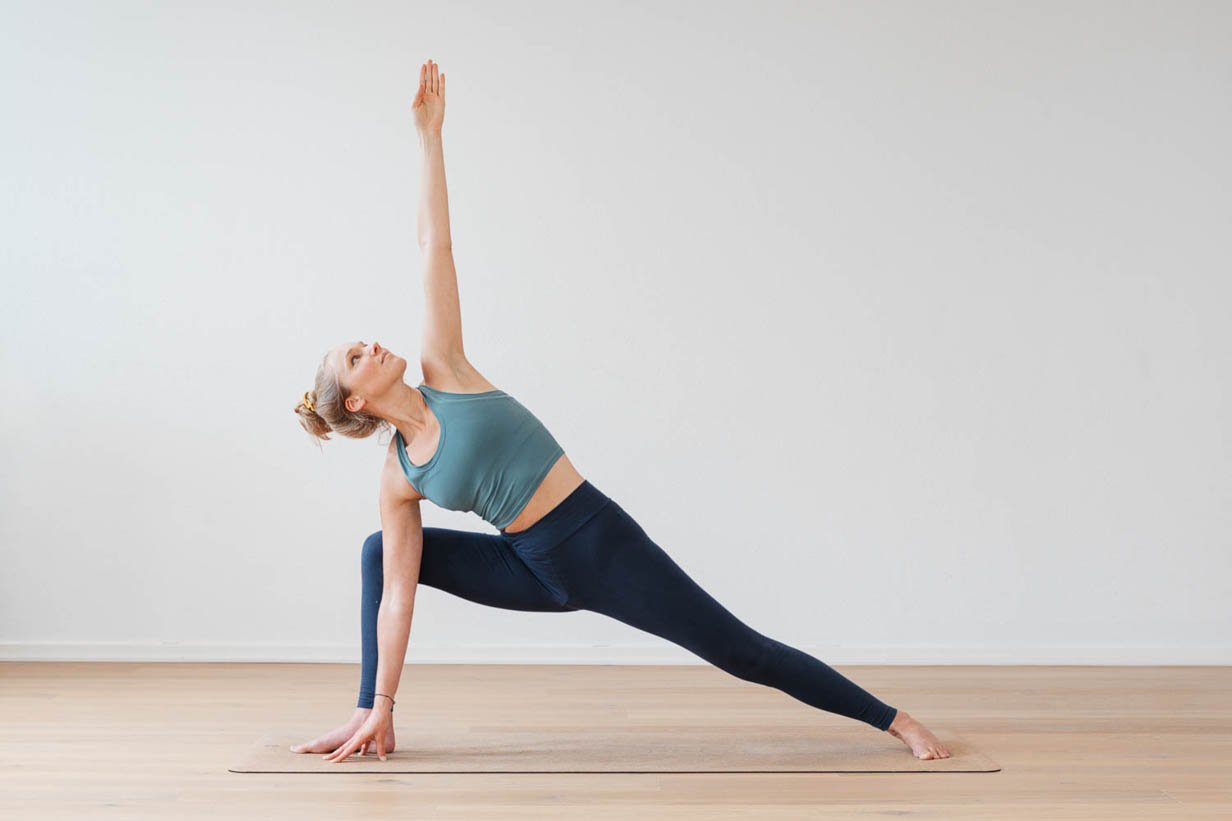
Picture this: It’s a rainy Tuesday evening, and I’m slumped on my couch after a brutal day at work—emails piling up, deadlines looming, and that nagging tension in my shoulders feeling like a permanent resident. I drag myself to my mat for a Hatha yoga session, figuring it’ll be the usual gentle stretch. Thirty minutes in, something shifts. My breath deepens, my mind quiets, and suddenly, the world doesn’t feel so heavy. That was over a decade ago, my first real “aha” moment with Hatha yoga. If you’re on the fence about dipping your toes into this ancient practice, stick with me. Today, I’m sharing five rock-solid reasons why Hatha yoga deserves a spot in your routine—backed by science, sprinkled with my own mishaps and triumphs. Whether you’re a total newbie or just curious, these insights might just convince you to roll out that mat.
Reason 1: It Supercharges Your Flexibility and Builds Real Strength
Hatha yoga isn’t about twisting yourself into impossible knots overnight; it’s a patient teacher that eases you into better mobility and power. Through deliberate poses held for several breaths, you’ll notice your body opening up—think looser hamstrings after weeks of forward folds. Studies show regular practice can increase flexibility by up to 35% in just eight weeks, while quietly toning muscles you didn’t know you had. For me, it turned my stiff office posture into something resembling grace.
What I love most is how it sneaks in strength training without the gym grind. Poses like plank variations or warrior holds engage your core and legs, building endurance that carries over to daily life—like carrying groceries without wincing.
Key Beginner Poses to Kickstart Your Flexibility
- Mountain Pose (Tadasana): Stand tall, feet grounded, arms at sides. It’s deceptively simple but aligns your spine and teaches balance—perfect for that first wobbly step.
- Downward-Facing Dog (Adho Mukha Svanasana): From hands and knees, lift hips to form an inverted V. Stretch those calves and shoulders; I once held it for a full minute and felt invincible.
- Seated Forward Bend (Paschimottanasana): Sit with legs extended, fold forward gently. Targets hamstrings—go easy if you’re like me and touch your knees instead of toes at first.
These aren’t flashy, but they’re foundational, proving Hatha rewards consistency over contortions.
Reason 2: It Melts Away Stress and Anxiety Like Butter on Hot Toast
In our always-on world, stress is the uninvited guest that crashes every party. Hatha yoga flips the script by syncing breath with movement, triggering the parasympathetic nervous system to dial down cortisol levels. Research from Harvard backs this: practitioners report up to 30% less anxiety after consistent sessions. It’s not magic—it’s mindful breathing that grounds you when life spins out of control.
I remember a phase where work deadlines had me snapping at everyone. One evening flow later, with deep ujjayi breaths, I laughed at how a simple child’s pose could dissolve that knot in my chest. Humor aside, if downward dog ever feels like a comedy of errors (face-plant included), know it’s all part of the release.
How Breathwork Ties Into Stress Relief
Pranayama, or controlled breathing, is Hatha’s secret sauce. Start with alternate nostril breathing: Close one nostril, inhale through the other, switch. It balances your energy—ha for sun, tha for moon—and leaves you calmer than a catnap.
Over time, this builds resilience. Friends tease me for my “zen boss” vibe now, but it’s all thanks to those quiet moments on the mat.
Reason 3: It Sharpens Your Mental Clarity and Focus
Ever finish a task only to realize your brain’s been on a mental vacation? Hatha yoga reels it back in by cultivating mindfulness—one pose, one breath at a time. It boosts brain-derived neurotrophic factor (BDNF), essentially fertilizer for your neurons, leading to better concentration and even warding off mild depression symptoms. In a distracted age, this clarity feels like a superpower.
My breakthrough came during a foggy period post-move; Hatha sessions became my anchor. Balancing in tree pose, I’d focus on not toppling over—suddenly, problem-solving at work sharpened too. It’s funny how staring at your toes can untangle a week’s worth of mental clutter.
Everyday Wins from Better Focus
- Sharper decision-making: No more second-guessing that grocery list (or life choices).
- Enhanced creativity: Ideas flow freer when your mind isn’t racing.
- Deeper sleep: Mental unwind means drifting off easier—bonus points for dreaming in Sanskrit.
Hatha doesn’t demand monk-level meditation; it just nudges you toward presence.
Reason 4: It Elevates Your Overall Physical Health
Beyond the mat, Hatha yoga ripples into heart health, better sleep, and even glowing skin. Poses improve circulation, lowering blood pressure and supporting cardiovascular fitness, while the gentle cardio element aids weight management without burnout. It’s holistic—body, breath, and all.
A few years back, I battled insomnia; Hatha’s restorative holds, like legs-up-the-wall, flipped my sleep script. Waking refreshed? Game-changer. And that post-class glow? It’s real—oxygenated blood does wonders for your complexion.
Quick Health Perks Backed by Practice
Think improved joint mobility for arthritis relief or stronger bones to fend off osteoporosis. I joke it’s my anti-aging elixir, but the science agrees: consistent yogis show denser bones and less inflammation.
Reason 5: It’s Incredibly Accessible—No Fancy Gear or Experience Needed
Unlike high-intensity workouts, Hatha welcomes everyone: beginners, seniors, or those rehabbing injuries. Classes move slow, with modifications galore, making it ideal for building confidence without overwhelm. Plus, all you need is a mat and comfy clothes—start anywhere, anytime.
My aunt, in her 60s, discovered Hatha after knee surgery; now she’s leading family sessions. It’s empowering—proving yoga isn’t for the bendy elite but for anyone craving balance.
Why It’s Beginner-Friendly
Props like blocks and straps level the playing field. Online tutorials abound, so no studio commitment required. Laugh if you must at my early videos (cue the off-balance warrior), but progress is inevitable.
What Is Hatha Yoga, Anyway?
Hatha yoga, rooted in ancient Indian texts, translates to “force” or balance between sun (ha) and moon (tha) energies. It’s the physical foundation of yoga, blending asanas (poses), pranayama (breath control), and meditation to harmonize body and mind. Unlike flashier styles, it’s deliberate—holding poses for 5-10 breaths to foster awareness. Think of it as yoga’s gentle gateway, preparing you for deeper practices.
Originating around the 15th century, it’s evolved but stays true: accessible, inclusive, transformative.
Hatha Yoga vs. Vinyasa: Which Flow Fits You?
Wondering how Hatha stacks up? Both use similar poses, but the vibe differs wildly. Hatha is your chill hike—slow, steady, introspective. Vinyasa? A brisk trail run—fluid transitions synced to breath, building heat and cardio.
| Aspect | Hatha Yoga | Vinyasa Yoga |
|---|---|---|
| Pace | Slow and steady, holds 30-60 seconds | Fast-flowing, breath-to-movement |
| Focus | Alignment, breath, mindfulness | Endurance, creativity, energy |
| Best For | Beginners, stress relief, recovery | Building stamina, dynamic energy |
| Intensity | Gentle to moderate | Moderate to vigorous |
| Class Length | 45-90 minutes | 60 minutes, often heated |
Pros of Hatha: Deeper relaxation, injury prevention. Cons: Might feel “boring” if you crave speed. Vinyasa pros: Fun, calorie-torching. Cons: Overwhelming for newbies. I switch between them—Hatha for reset days, Vinyasa for when I need a sweat. For more on styles, check Yoga Journal’s guide.
Best Hatha Yoga Poses for Beginners to Try Today
Diving in? These five essentials build a solid foundation without intimidation. Practice 10-15 minutes daily—consistency trumps perfection. I’ve included tips from my trial-and-error days to keep it real.
- Child’s Pose (Balasana): Kneel, fold forward, arms extended. Restorative heaven for back tension; breathe into your hips like you’re hugging the earth.
- Cat-Cow (Marjaryasana-Bitilasana): On all fours, arch and round your spine. Warms the core—my go-to for desk-induced stiffness.
- Tree Pose (Vrksasana): Balance on one leg, foot to inner thigh, hands at heart. Wobbly? Stare at a wall; it built my focus one giggle at a time.
- Warrior I (Virabhadrasana I): Lunge forward, arms overhead. Strengthens legs—feel like a grounded superhero.
- Corpse Pose (Savasana): Lie flat, eyes closed. The “nothing” pose that seals every session; don’t skip it, or you’ll miss the magic.
For visuals, Brett Larkin’s sequence is gold. Start slow—your body will thank you.
Where to Get Started with Hatha Yoga Classes
Ready to roll? Local studios offer in-person vibes—search “Hatha yoga near me” on Yoga Alliance for certified spots. Online? Apps like Down Dog or Glo deliver on-demand flows (transactional tip: Glo’s beginner bundle is under $20/month). Free YouTube gems abound, like Yoga with Adriene’s Hatha series—perfect for home practice.
If you’re eyeing gear, a non-slip mat from Amazon (around $25) pairs with blocks for support. Pro move: Join a trial class; most waive the first session fee.
People Also Ask: Common Curiosities About Hatha Yoga
Google’s “People Also Ask” uncovers what folks really wonder. Here’s a roundup based on top searches—straight answers to spark your journey.
- What is Hatha yoga good for? It excels at stress busting, flexibility gains, and mental balance—ideal for unwinding after chaos.
- How often should you do Hatha yoga? Three to five times weekly hits the sweet spot for benefits without burnout; even twice keeps momentum.
- Is Hatha yoga hard for beginners? Not at all—its slow pace invites ease. Modifications make it welcoming, though expect some muscle whispers the next day.
- What’s the difference between Hatha and regular yoga? Hatha is the physical core of “regular” yoga, emphasizing poses and breath over flowy styles.
- Can Hatha yoga help with weight loss? Indirectly yes—through mindful eating cues and calorie burn (200-300 per session), but pair with diet for best results.
These queries show Hatha’s broad appeal—practical, profound.
FAQ: Your Burning Questions on Hatha Yoga Answered
Got queries? I’ve fielded these from friends and students over years of teaching casual sessions. Short, sweet, and honest.
Is Hatha yoga suitable if I’m not flexible?
Absolutely—it’s designed for where you are, not some ideal pretzel shape. Start with props; I wasn’t bendy either, and now I touch my toes without plotting. Progress sneaks up.
How long does it take to see benefits from Hatha yoga?
Most notice stress dips in a week, flexibility in a month. Consistency is key—aim for 20 minutes daily. My energy surged after two weeks; yours might too.
Can Hatha yoga help with back pain?
Yes, poses like cat-cow strengthen and stretch the spine, easing chronic aches. Consult a doc first, but studies show relief for many. It’s my desk-job savior.
What’s the best time of day for Hatha practice?
Morning energizes, evening unwinds—pick what fits. I favor dusk for that golden-hour calm; experiment to find your groove.
Do I need a teacher to start Hatha yoga?
Not essential—apps work wonders—but a class accelerates learning alignment. Online communities like Reddit’s r/yoga offer free tips galore.
There you have it—five reasons (and a toolkit) to embrace Hatha yoga’s quiet revolution. From my couch-slump salvation to the steady glow it brings, it’s more than exercise; it’s a conversation with your body. Grab that mat, breathe deep, and see what unfolds. What’s holding you back? Drop a comment if you’ve tried it—your story might inspire the next reader. Namaste.